



Dr Adedayo Adeyemo, a staff of Federal University of Agriculture, Abeokuta, is a non-Ruminant production specialist, basically poultry and rabbit. He has been involved in researches aimed at developing local content for the care of livestock, in order to improve quality animal in Nigeria. In this interview with Bushlink, conducted by Aderemi Oladipupo, Dr. Adeyemo speaks on the practicability of the ban on open grazing by the federal government, the need to increase the votes for research into agriculture and also make use of the outcomes of the researches, as well as why the government should not only prioritise support for farmers but also police the implementation. Excerpts:
In 2003 there was a meeting of the African Union in Maputo, one of the resolutions at the end the meeting was that 10% of the national budget of Member states should be allocated to Agriculture, but we observed that our various Nigeria government have not been able to implement this. Why do you think it has been difficult for our governments to implement this declaration?
The truth of the matter is that we are still deceiving ourselves as a country. It is when until when we really focus on agriculture, that there can be turnaround in the country because if there is food sufficiency in the country, there will not be hunger. Our Leaders should focus more on agriculture and ensure that there is enough budgetary allocation for agriculture, be it livestock, be it plants in terms of improvement, bringing in improve species of crops and that is why we have various research institutes into agriculture. These researchers have been doing lots of researches that are on the shelve. I think it will be good for our leaders to basically try to meet up with that agreed budgetary allocation for agriculture, so that there can be a turnaround in the country.
Talking about Livestock, are we self-sufficient in Nigeria, and if not, how close are we?
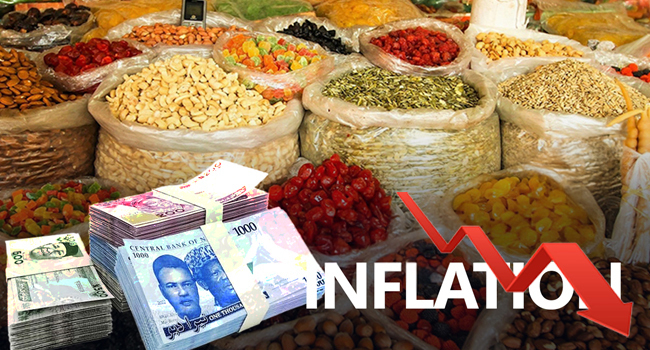
No, we are not yet self-sufficient when it comes into Livestock in Nigeria. In fact, I can tell you categorically that we don’t have enough people that are into livestock farming again, because of the cost of inputs that are involved. There are lots of farmers that have ran away from livestock farming because of the high cost of feeds. For example, in Ogun state, I can tell you categorically more than 70% of livestock farmers have closed up their farms, because of inconsistent rise in cost of feeds. As we speak right now the cost of day-old chicks have increased sporadically especially pullets. A lot of hatcheries already have booking for the whole of 2026. So, there is a need for us to wake up from our slumber. The government should also try to look into how livestock farmers can get subsidised inputs like the government did when there was scarcity of maize. If there can be subsidy on maize there might be reasons for people to go back because feed accounts for the 70% of the cost of production. Looking at it now as we are entering the festive season there have been different speculation that a matured broiler might be sold for as much as #25,000 to #30,000 with the present cost of feed. So, there are higher chances that people might not really get enough broilers or chickens needed for this festive season because people might not be able to afford it based on consistent increase in the cost of feeds.
If I get you right, what you are saying in essence is that Nigeria is not yet self-sufficient in protein production?
We are not self-sufficient. As we speak there are lots of hatcheries that are meant to be producing day-old chicks that have stopped operation, there are lots of hatcheries that have collapsed, lots of farms have collapsed. Like I said for different reasons, including cost of feeds, it is difficult for people to go back into livestock farming.
Let us look at the ban on open grazing. What are the implications of this for the country, economy and security wise?
Well, I see it as a good one for the government to ban open grazing but what the government need to put in place have not yet been put in place.
Like what?
Because all these people [the Fulani herdsmen] that involve in open grazing, I think there is need for the government to provide ranches for them. If you say somebody should stop open grazing then you would have provided alternatives for that person. We have a lot of forests, un-cultivated forests in Nigeria. We even have government reserve area, different government land that are lying fallow. All these people/Fulani can be bought together as clusters and government can allocate land for them such that they can use for ranching. There is also what we called zero grazing where animals are meant to be in the store or in their pen and you go to where forages have been cultivated, where they have sown, you cut it and take it to the animals for the animals to eat.
But the truth of the matter is that “the ban on open grazing is a good one but the government needs to put things in place so that all these people that are involve in open grazing, if they have alternatives for where to graze their animals the enforcement can be done.” But as we speak now, the pronouncement have been made on ban on open grazing but there are still some Fulani herdsmen that still do open grazing because they tell you they don’t have where they need to graze their animals.
The ban on open grazing is a good one but the government needs to put things in place so that all these people that are involve in open grazing, if they have alternatives for where to graze their animals the enforcement can be done.
They go to different farms to destroy people’s farm and that’s why we still have problems of food. A lot of people have run away from their farms. People that are supposed to be working on their maize farm and cassava farms have run away from the farms because of fear of attack by Fulani herdsmen. But I think if the government can allocate land; thank God we now have Ministry of Livestock development, If the government can look into all those reserve government uninhabitable land, where they can allocate land for these people, I think that the clashes and open grazing problems will be stopped.
During the tenor of President Buhari, a committee headed by the former Vice President, Professor Yemi Osibajo resolved that Nigeria should promote ranching above open grazing of animals. Is there anything to suggest that the recent ban on open grazing will encourage ranching system in Nigeria?
I want to thank the Federal government because the Ministry of Livestock development have come to stay. And I want to believe that the Ministry itself also have their statutory role and responsibilities to play and that is the reason for establishing that ministry. I believe that there are a lot of inputs from different researchers, different professors, emeritus professors because I know like three of our own professors that are involved when it comes to inputs to Ministry of Livestock development. And I know that as time goes on I am very sure that the ministry will roll out more of their plans that they have for livestock farmers or Fulani herdsmen to stop open grazing so that the proposed ranching that is meant to take place will definitely survive.
After the Federal Government of Nigeria announced the establishment of Ministry of Livestock development there have been suggestion that Nigeria may make a fortune from foreign exchange on livestock, from your experience on the field, do you think that this speaks to the reality on ground?
Well, the truth of the matter is that there is going to be increase in foreign exchange earnings and I am going to tell you the reason why. As we speak now, we do not have improved breed of animals in Nigeria. It is only in few places that we have improved breed in Nigeria. For example, I think since two years ago, the Friesland Food WAMCO, Nigeria PLC, the company that produces Peak milk, I know they have partnership with the Ogun State government and I Know that they have some of their improved breed of cattle at Eweje in Odeda Local government area of Ogun state here. I believe that if ranching comes to stay and we are practicing it, the white men are going to see more reasons why they need to bring in their own improved breed here, acclimatizing them to our own weather conditions and before we know it there will be more to gain ratio because when you look at the effect of long hour grazing of animal, it is stressing on the animals themselves. The truth of the matter is that anything you do that compromises the welfare of the animal is against animal welfare. Animal can decide to graze from here to Ibadan, pregnant animal that are not supposed to be grazing long distance they are grazing long distance, automatically it is affecting their own welfare. But, while we are begging people to practice ranching now, the temperate environment people, the white men, can decide to say, “Ranching is going on in Sokoto, okay, can we go there, can we import semen, can we do artificial insemination whether to improve our own white Fulani breed and once that is done you put the animals in the ranch, monitor their weight and the progress of those animals.” In fact, I am very sure like what we have in Eweje in Ogun state here, there is a required liter of meat they produce every month because they are improved breed which our own local breed might not be able to do. So, if ranching comes to stay, I am very sure because I know that, I think, there is a bilateral agreement between Brazil and Nigeria when it comes to cattle now. I think there is already a partnership agreement if I am right on how they can help us with ranching and how to improve our local breed.
In the effort to make livestock a cash cow for the country, in what ways can the government either at the state or Federal assist farmers?
You see we have different research institutes in Nigeria, and the truth of the matter is that I know before now when it comes to plants/crops, government was distributing fertilizer at subsidized rate in some places government was providing herbicides and the likes, I want to believe that the major problem we are having in Nigeria is the raw materials that is used in for livestock feeds. If the feeds that is used for these animals are cheaper everybody will want to venture into this business. Another thing is that there is need for government to regulate a lot of things because it they are not regulated people try to sell at arbitrary prices that is always ambiguous for people to meet up so if the government can assist like they did at a particular time they brought in a lot of maize and they were given to the people but the problem is that these maize does not get to the grassroots. Before it gets to the grass roots people would have shared or cut some off. At times the masses usually feel the effect, these are some of the problems we are having even as farmers. And like I said there are lot of hatcheries that have folded up, so if the government can assist, may be through Private Partnership Programme, to bring them back. We have different breeding centers that have collapsed, if the government can see to all these things to bring them back, it will be good for the livestock sector.
There are lot of hatcheries that have folded up, so if the government can assist, may be through Private Partnership Programme, to bring them back. We have different breeding centers that have collapsed, if the government can see to all these things to bring them back, it will be good for the livestock sector.
Earlier, you mentioned the issue of researches, we will like to know how far we have gone in the area of research to curtail the out-break of diseases in livestock farms?
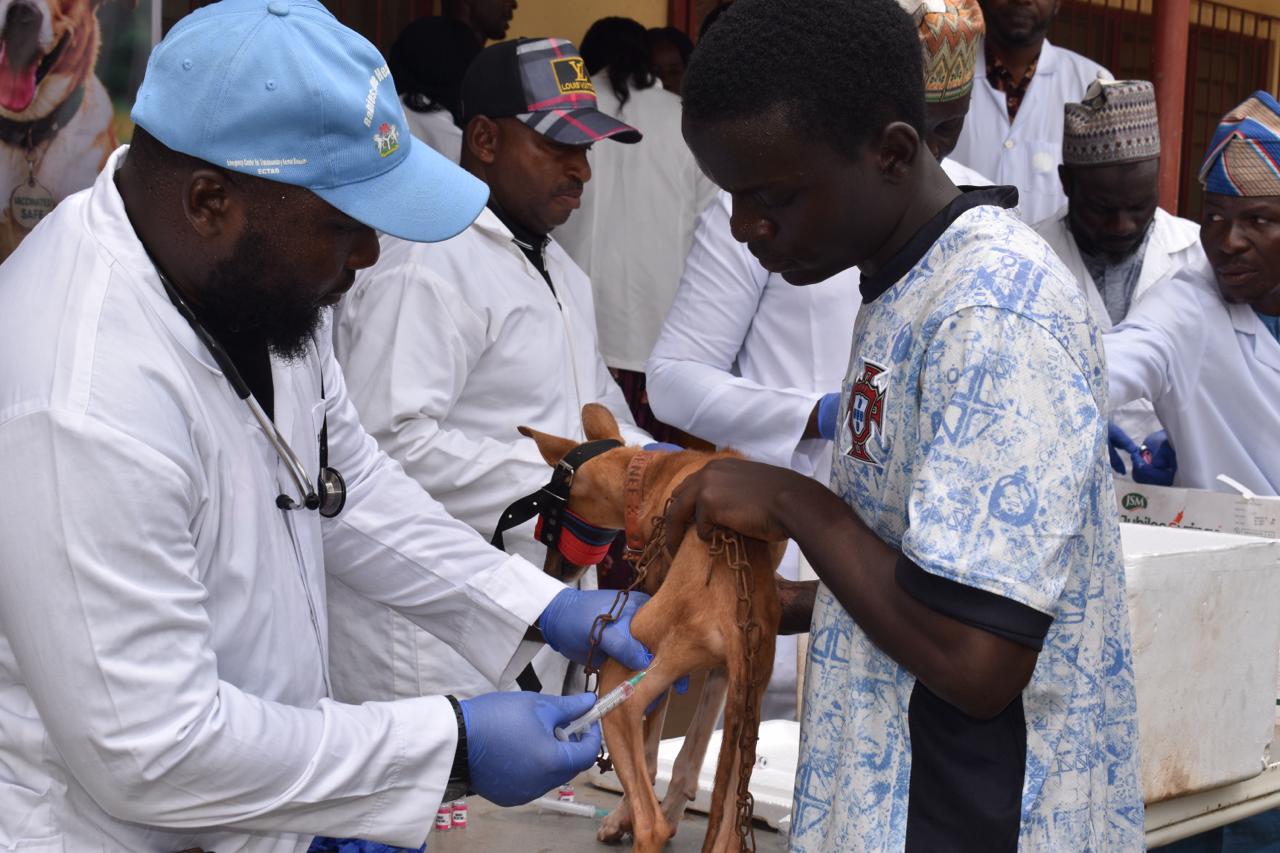
In Nigeria, we have different livestock research centers, there is one at VOM town,near Jos (Plateau State), that is the National Veterinary Research Institute in Jos, I think there is one in Lagos if am right. The truth of the matter is that if a lot of things are regulated, thank God that outbreak of diseases is gradually going down now compared to when people had access to import a lot of things, and that is why we have quarantine services at the airport. Before now people just import eggs without going through normal procedure and that is the reason we have existence of avian flu and the likes. But thank God now that some of these diseases are gradually declining. In term of research people are now going into alternatives for handling microbial, knowing full well that there are lots of drug resistance that is now happening. So, basically what we have been doing is to look for different alternatives. What are our own plants that we have different topochemical (reaction) that can also serve as alternatives for some of these drugs that we are using. Well, over the years that is what I have been doing I have worked on different plant extracts and I also have senior colleagues, professors that have worked on different plant extracts that contain different ….chemicals that can replace different antibiotics and people have been using it and it’s really working; the likes of Ohiphmu batismum , spirophylum, some people have worked with bitter leaf, bosiminum ordoraca, we have a lot of those leaves, Neem leaf. They are residents here in our country and the truth of the matter is that people have been using them and it has been working. It has been working. And it has been difficult for some of these birds to come down with those effects when they use some of these botanicals because often times people have used the conventional drugs at different times. In fact, some people abuse it even when chicken have any diseases like this the next thing is that they will go and take antibiotics and use it and over the years some of those birds have developed resistance against it. But once you stick with the botanicals, the plant extracts, before you know it the disease is gone, and they don’t leave residue compared to the residue that those antibiotics leave because there is a withdraw time for you. If you are using a particular antibiotics, once you buy the antibiotics, they will put it there the withdraw time; this botanicals you are talking about they don’t leave residue so there is no withdraw time for them.
If you are using a particular antibiotics, once you buy the antibiotics, they will put it there the withdraw time; this botanicals you are talking about they don’t leave residue so there is no withdraw time for them.
Talking about research, is Government giving adequate support for research in our various universities and research centers?
Well, the government is trying but it is not enough. That is the truth. They are trying, but it is not enough. And that is why I think that is part of what the Academic Staff Union of Universities, ASUU, keep fighting for, that the government should be ready to fund universities so that they do research, Researches that are power-driven, that we can show-case to the world; that truly we are working.
There are times in Nigeria, particularly during the festive seasons, when people want to treat themselves well, people want to buy eggs, chicken, meat, turkey and so on; and you see both frozen and fresh ones. What is your take on importation of protein related livestock in Nigeria?
As we speak now, there is scarcity of eggs. What is really causing the scarcity of eggs is because a lot of farmers have abandoned farming as a result of increase in the cost of feeds and some other livestock inputs. The truth of the matter is that imported livestock product is not the best because you cannot compare something that have been frozen with what is farm fresh. So, in the spirit of the festive season, I want to encourage our people that it is better for them to go to the market, buy the chicken yourself, let them process it for you there, or you buy it take it home, process it yourself and enjoy the meat. Relying on meat products that are imported is not good, even health-wise, it is not good. I remember that during the era of President Olusegun Obasanjo, he was the first president that banned importation of some of these meats and that was when farmers started recording huge profits because during his tenure a lot of people started rearing chicken and the likes.
During the era of President Olusegun Obasanjo, he was the first president that banned importation of some of these meats and that was when farmers started recording huge profits because during his tenure a lot of people started rearing chicken and the likes.
After that, subsequent governments have not been very strict about it. But the truth is that getting farm fresh will be there. You buy, they process for you, or you process yourself, take it home and enjoy your meal than relying on some of these imported meats because some of them they would have added some preservatives to it and you might not be able to actually quantify the quantity of the preservatives or be able to ascertain the preservatives that have been used in order to bring the meat here.
We have many universities of Agriculture in Nigeria and we all know that manpower in Agriculture is very key, do you think that these universities of Agriculture are up to the task? If yes, what can you say about what is currently happening in the country because many students from these universities don’t go into farming when they graduate?
We have enough manpower, but the problem we have is that by now we ought to have graduated to mechanized farming and leave the olden days farm practice and I can categorically tell you that the Federal Universities of Agriculture and the Universities of Agriculture in Nigeria are capable and competent enough to produce adequate manpower that this country needs to move this country forward. The problem we are having is that our youths are lazy and some of them are not lazy. Those who are hardworking need startup funds, for them to be able to do something. For instance, I have four undergraduate students; they have the intention of raising broiler day old chicks for this coming festive season. They just walked up to me that they want to come up with a proposal that they will be glad if I could help them to check through the cost of feeds, cost of purchasing vaccines and medication they want to use in raising these broilers. So, there are truly some of them who have the intention of doing something. They want to go into farming but some of them don’t have the required funds to start some of those things. And I can categorically tell you that in Federal University of Agriculture, Abeokuta (FUNAAB) we have serious minded students. They are just waiting for somebody that will bring, like may be collaborators to assist them. For example, in our own University, our Vice Chancellor is encouraging partnership. Partnership with Private Organizations to come to the University to come and empower our students in the area of livestock. As I speak to you, the University has collaborated with more than three private organizations that are helping in terms of empowerment to our students and the University have been recording tremendous progress in that regard. So, it is not all of those graduates that are not ready to farm, some of them are willing to do, but what they just need is the startup funds. Imagine a fresh graduate that have just struggled to finished from a higher institution and has been looking for job and there is no job, but most of the time in our own University here we train them to self sufficient. That person trained to stand alone may want to rear between 200 to 500 birds but he is financially handicapped, there is nothing he can do except he gets assistance from may be one or two donors/sponsors so that he can start something.
On a final note, you have enumerated some of the challenges facing agricultural practices in Nigeria, what advice will you give the government, individual, and research institutes and other stakeholders?
I want to appeal to our government to please come to the aid of farmers. They should come to the aid of farmers because in those old days we have farm settlements. There are different farm settlements that have been destabilized. Some of these farm settlements are not working again. It will be good if these farm settlements can be revived and be brought back again. If it is possible for farmers to come together in clusters, form Farmers’ Cooperatives with government incentives and aids even with government subsidized loans for farmers to upscale their life style, there will be food sufficiency in this country.
If it is possible for farmers to come together in clusters, form Farmers’ Cooperatives with government incentives and aids even with government subsidized loans for farmers to upscale their life style, there will be food sufficiency in this country.
And in terms of research, like I said, the government have been trying but we still expect more from them such that the research institutes and the universities of Agriculture can be empowered so that they will be able to fulfill the mandate that the country is expecting from them.