


( This single road corridor is set to rewrite the story of trade, agriculture, and regional development)
Introduction
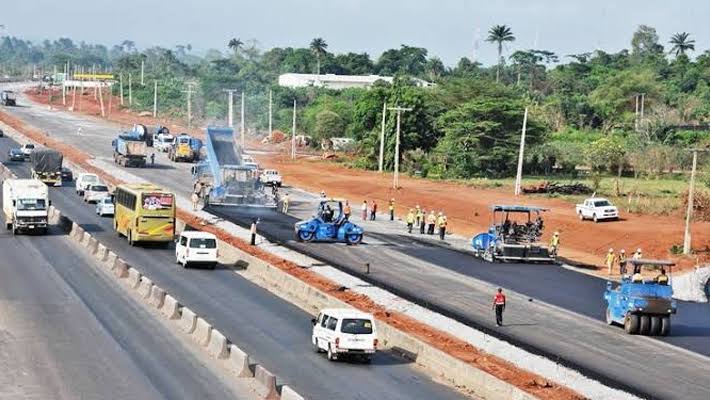
For decades, Nigeria’s geography has felt like a liability. The North grows the food, the South consumes and exports it, and the roads in between bleed time, money, and produce. That equation is changing with the Lagos–Badagry–Sokoto Superhighway — a 1,068km concrete corridor designed to physically and economically bind the Sahel to the Atlantic. This is not just another road project. It is one of President Bola Tinubu’s four flagship “legacy” highways, alongside the Lagos–Calabar Coastal Highway, Calabar–South East–Abuja Highway, and Akwanga–Jos–Bauchi–Gombe Highway. If completed, it will be one of the longest continuous trade corridors in West Africa.
Badagry has always been a gateway. Historically a major trade and cultural hub, it hosts one of Nigeria’s busiest border posts with the Benin Republic. Sokoto, at the other end, anchors the Sahel and connects naturally to Niger and Mali. Between them lies Nigeria’s agricultural heartland: Kebbi, Niger, Kwara, and Oyo states.
The problem has been the link due to poor infrastructural development on this axis. Produce from Kebbi and Sokoto often get spoilt before reaching Lagos. Trucks take days navigating poor roads, with transport costs eating up farmer profits. There is hope that that suffering is about to be forgotten. That is because the new highway directly addresses that disconnect. Governments at the sub-national level, farmers and traders are already enthusiastic about the gains that the road offers.
“Farmers will move rice, tomatoes, and onions faster to Lagos and other markets, cutting post-harvest losses,” says Kebbi State Deputy Governor Umar Tafida. The state alone accounts for 258km of the corridor. For farmers in Alfala, Silame, and Katami, the road means access to dry-season irrigation from over 56 dams along the route, turning seasonal farming into a year-round business. That is not the only area where the super highway offers relief. When completed the road is also expected to reduce pressure on other infrastructure, which then suggests that such facilities will last longer than they would have lasted had the road not taken pressure off them.
For instance, Nigeria’s current north-south freight relies heavily on the Abuja-Kaduna-Kano corridor. It is congested, prone to insecurity, and expensive to maintain. The Sokoto–Badagry route offers an alternative that runs west of the central corridor, closer to the border economies of the North-West.
Experts argue that a functional superhighway will decongest existing routes, reduce travel time, and strengthen Nigeria’s competitiveness under the African Continental Free Trade Area (AfCFTA). For a trader in Sokoto, that means getting goods to Badagry’s port and border in days, not weeks. For a consumer in Lagos, it means cheaper food, ready raw materials for agro-allied companies and manufactured goods.
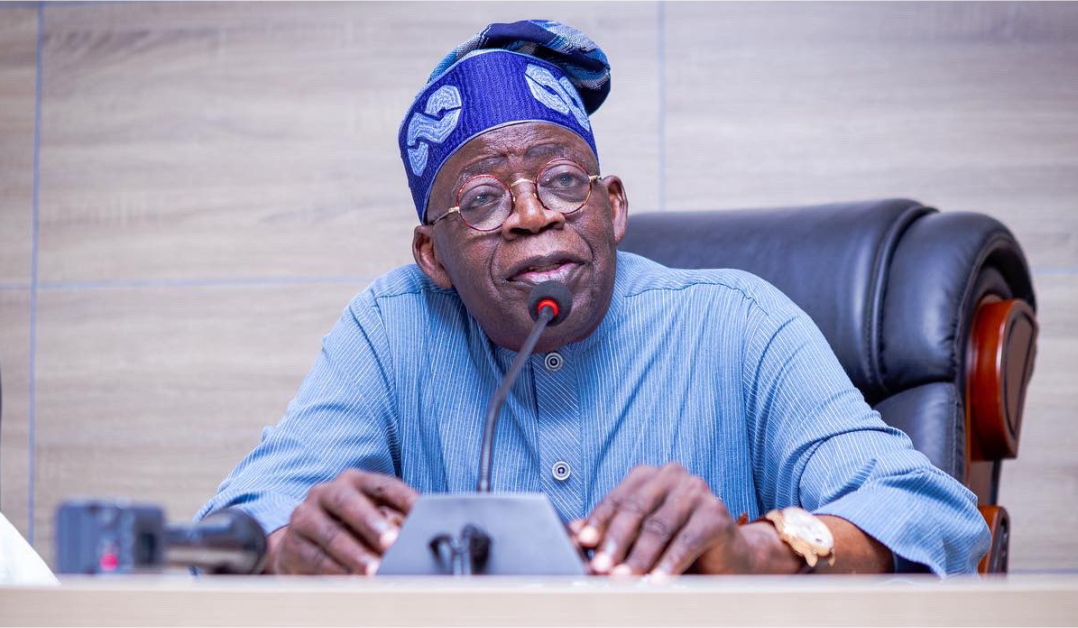
With this development, the administration of President Tinubu would have won a bull’s eye by the time the road is completed. This is partly because the project had been on the drawing board for decades that it appeared as if it would never be done. The administration broke that jinx, and the speed of movement has been very impressive. Not only that. The quality of work is yet another area that continues to amaze Nigerians. The Federal Ministry of Works is using concrete pavement for durability, aiming to cut long-term maintenance costs. And just in case you were thinking of safety on that corridor, particularly now that bandits and kidnappers are on the prowl in the country, the government also appears to be ready to fix that. Works Minister, David Umahi has emphasized that the corridor will also carry CCTV surveillance and solar-powered streetlights, making it safer for night travel and commercial traffic.
Badagry’s border with Benin is one of Nigeria’s most active, yet much of the trade remains informal due to poor road links inland. That will change with the construction and commissioning of the highway as soon as it is completed and put into use. Hon. Gboyega Isiaka, representing Yewa North/Imeko-Afon in Ogun State, points to towns like Owode-Afon and Imeko as beneficiaries. “These communities have long been neglected despite their strategic location,” he said. With the road, they become formal trade hubs linking Nigeria to West Africa’s Sahelian markets.
The corridor’s design aligns with Nigeria’s AfCFTA strategy, as it positions the country as the gateway for Sahelian goods to reach the Atlantic. In practical terms, onions from Niger, livestock from Mali, and rice from Kebbi can move through a single, efficient route to Lagos ports and onward to global markets. What makes the project distinct is its “corridor” approach. It is not just asphalt; it is infrastructure bundling.
The Agricultural sector tends to benefit a lot from this project. A massive 56+ dams along the route can support irrigation, hydroelectric power, and water supply. Minister Umahi notes these dams can transform agriculture and industrial activities across regions by enabling dry-season farming and agro-processing. The Lagos-Badagry stretch has potential for wind energy generation, similar to plans for the Lagos-Calabar axis. Solar lighting along the road further reduces operational costs. Officials say the corridor will attract industries along its route. Think agro-processing plants near Kebbi’s rice belts, logistics hubs in Oyo, and light manufacturing near Badagry’s border zone. Tourism too is not left out as the coastal and historical sites in Lagos-Badagry gain easier access, opening a tourism economy that has been underdeveloped for decades.
Senator Mohammed Monguno argues that the project will reduce unemployment and insecurity along the corridor. The logic is straight forward: more economic activity means more legitimate jobs, more movement, and more eyes on the road. For communities that have struggled with banditry and smuggling, a functioning highway with surveillance and commerce offers an alternative. The project also addresses regional balance. For too long, federal infrastructure investment has clustered around Abuja and Lagos. A 1,068km road linking Sokoto to Badagry spreads development across seven states, creating secondary growth poles outside the traditional centers.
The first phase is already funded. The Senate has approved a $516.3m loan for Section One, Phase One of the highway, covering about 120km. The full corridor is expected to span roughly 1,000km from Sokoto to Badagry, with construction ongoing at six points. Minister Umahi is confident that if these four legacy projects are completed within six years, they will “significantly open up Nigeria’s economy, ease transportation, and attract local and foreign investments.”
“The truth is, if the President completes these roads, they will change Nigeria forever,” he said. “These highways are not just roads; they are economic corridors that will shape the future of transportation, energy, and tourism in Nigeria.”
Prior to the commencement of the road project, a Kebbi rice farmer loses 40% of harvest to spoilage and high transport costs. Border towns rely on informal trade. Lagos markets pay inflated prices due to logistics bottlenecks. But with the completion of the road, It is expected that the same farmer moves produce to Lagos in 1-2 days with minimal loss. Owode-Afon and Imeko become formal trade hubs. Lower transport costs will result in the reduction of food prices nationwide, while new industries will be set up along the corridor.
In conclusion, the Lagos–Badagry–Sokoto Superhighway is a bet on connectivity as an economic strategy. If the road delivers on its design — fast, safe, and linked to agriculture, energy, and trade infrastructure — it will do more than shorten travel time. It will shorten the distance between Nigeria’s producers and its markets, between the North and the South, and between Nigeria and the wider West African economy.
For a country looking to diversify beyond oil and integrate into AfCFTA, which distance matters. And this road is built to close it.
Sources: Federal Ministry of Works briefings, Punch Nigeria, Badagry Today, Vanguard Nigeria, Sept 2025. Project details and benefits are based on official statements and expert commentary as of Sept 2025.